Car Interior Comfort Tips: Transform Your Daily Commute
Boost commute comfort by dialing in driving posture: set seat height for hip-knee alignment, 100–110° recline, wheel 10–12 inches from chest, headrest mid-skull, and add lumbar support. Improve airflow and calm by balancing vents, using auto climate, sunshades, and cabin filters, while decluttering, reducing noise with mats/tires, and adding soft-touch surfaces and soothing scents—essential car interior comfort tips.
Introduction to Car Interior Comfort Tips: Transform Your Daily Commute
Your daily commute doesn't have to be a source of stress and physical discomfort. Whether you spend thirty minutes or several hours behind the wheel each day, the quality of your car's interior environment directly impacts your well-being, focus, and overall driving experience. Many drivers unknowingly tolerate neck strain, lower back pain, poor posture, and temperature discomfort simply because they haven't optimized their vehicle's cabin for maximum comfort.
The average American commuter spends approximately 54 minutes per day traveling to and from work, accumulating over 225 hours annually in their vehicle. This substantial time investment makes your car essentially a mobile office or personal space that deserves the same attention to comfort and ergonomics as your home or workplace. Poor interior conditions contribute to driver fatigue, reduced concentration, and long-term musculoskeletal issues that extend beyond the driver's seat.
Transforming your car's interior comfort requires understanding the fundamental relationship between ergonomic support, premium materials, and strategic accessories. Simple upgrades can dramatically reduce physical strain while enhancing the aesthetic appeal of your cabin. From steering wheel covers that improve grip and reduce hand fatigue to memory foam seat cushions that provide lumbar support, each modification serves a specific purpose in creating a healthier driving environment.
This comprehensive guide explores practical, proven strategies for elevating your car's comfort level through thoughtful accessory selection and arrangement. You'll discover how materials like Nappa leather and memory foam technology work together to deliver lasting relief during long drives, turning your daily commute from an endurance test into a genuinely pleasant experience that supports your physical health and mental clarity.
Understanding the Key Elements
Creating a comfortable car interior requires attention to several interconnected factors that directly impact your driving experience. By identifying and addressing these core elements, you can systematically transform your vehicle into a sanctuary of comfort during every commute.
The foundation of car interior comfort rests on four essential pillars:
- Ergonomic support that maintains proper posture and reduces physical strain during extended driving periods
- Temperature regulation to manage heat, cold, and sunlight exposure throughout varying weather conditions
- Tactile comfort through quality materials that feel pleasant against your skin and hands
- Organization systems that eliminate clutter and keep essential items within easy reach
Each element plays a distinct role in your overall comfort level. Poor lumbar support, for instance, can lead to chronic back pain and fatigue, while inadequate temperature control creates distracting discomfort that diverts your attention from the road. The materials you interact with most frequently—your steering wheel, seat surfaces, and headrest—determine whether your commute feels luxurious or merely functional.
Professional drivers and ergonomic specialists consistently emphasize that sustainable comfort comes from addressing these elements holistically rather than in isolation. A premium leather steering wheel cover provides superior grip and temperature regulation compared to standard materials, while memory foam cushions conform to your unique body shape, distributing pressure evenly across contact points.
Understanding these key elements allows you to make informed decisions when selecting upgrades for your vehicle. Rather than purchasing accessories randomly, you can strategically address specific comfort deficiencies based on your individual needs, driving duration, and personal preferences. This targeted approach ensures maximum return on your investment while creating a genuinely transformative driving environment.
Step-by-Step Guide & In-Depth Analysis
Transforming your car's interior comfort begins with a systematic approach. Follow these steps to create an ergonomic, luxurious driving environment tailored to your daily commute needs.
Step 1: Assess Your Current Setup
Begin by evaluating pain points during your drive. Document areas where discomfort occurs—whether lower back strain, neck tension, or hand fatigue. Spend one week noting when and where discomfort arises to identify priority areas for improvement.
Step 2: Optimize Seating Support
Install a memory foam seat cushion designed for automotive use. Position it to support your lumbar curve naturally, ensuring your thighs rest parallel to the floor. Premium Nappa leather cushions offer superior durability while providing breathable comfort during extended drives. The cushion should elevate you slightly if you struggle with visibility while maintaining proper pedal reach.
Step 3: Address Neck and Upper Body Ergonomics
Add an ergonomic neck pillow to maintain cervical alignment. Position it to fill the gap between your headrest and neck, preventing forward head posture. This step significantly reduces tension headaches and shoulder stiffness common among commuters.
Step 4: Upgrade Steering Wheel Contact Points
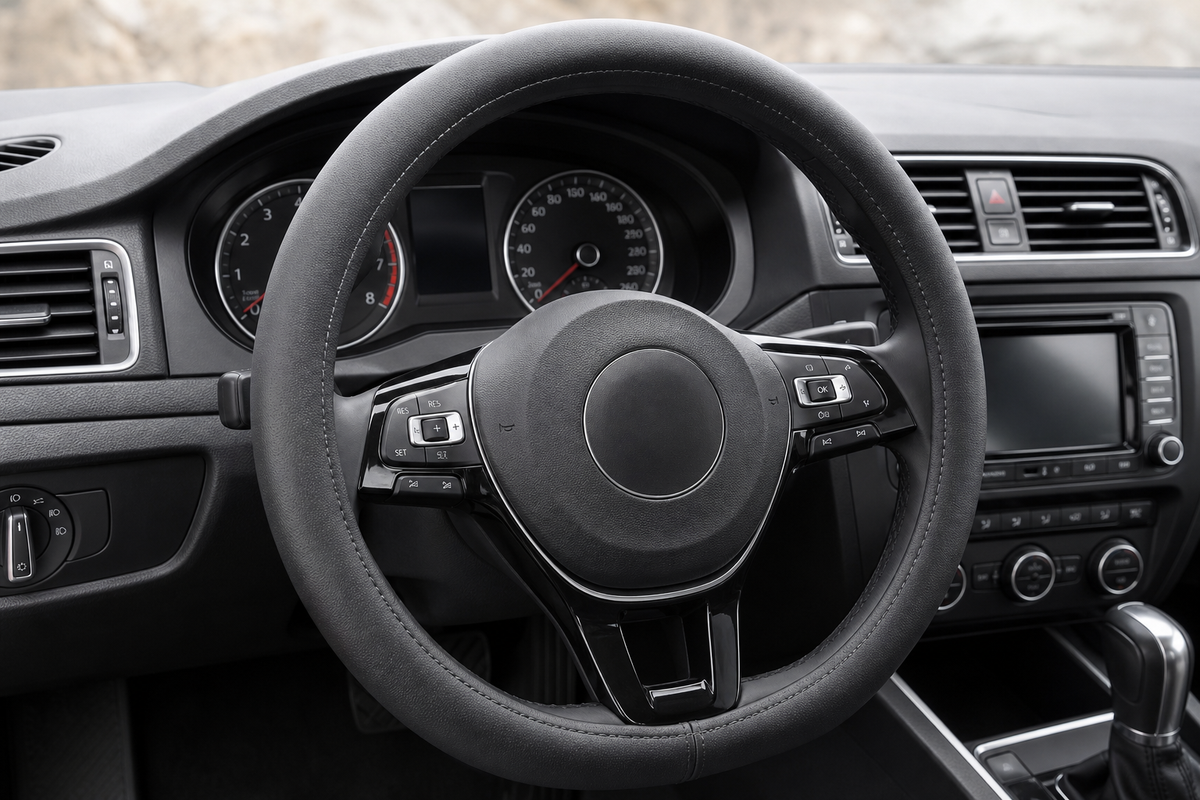
Replace worn steering wheels with premium leather covers that enhance grip while reducing vibration transfer. Quality materials like Nappa leather mold to your hands, providing cushioning that prevents palm fatigue during long drives.
Step 5: Control Temperature and Light
Install sun visors with coverage extensions to eliminate glare without obstructing vision. Proper temperature regulation through quality materials prevents sweating and discomfort, maintaining focus on the road.
Step 6: Organize for Mental Comfort
Implement storage organizers to eliminate clutter. A tidy cabin reduces stress and creates a calming environment that enhances your overall driving experience.
Expert Tips & Common Mistakes to Avoid
Maximizing your car's comfort requires strategic thinking beyond basic upgrades. Seasoned drivers who prioritize interior comfort understand that small adjustments can prevent long-term discomfort and enhance every journey.
Expert Strategies for Sustained Comfort
Position your lumbar support at the natural curve of your lower back, approximately two to four inches above the seat base. Premium memory foam cushions should compress slightly under your weight while maintaining structural integrity—if they bottom out completely, they're either low-quality or improperly positioned.
Temperature regulation significantly impacts comfort. Leather accessories breathe better than synthetic alternatives, reducing perspiration during summer months. Consider seasonal rotation: lighter materials for warm weather and insulated options for winter commutes.
Professional drivers recommend the 90-degree rule: your knees, hips, and elbows should maintain approximately 90-degree angles while driving. This ergonomic positioning reduces fatigue and prevents circulation issues during extended trips.
Critical Mistakes That Undermine Comfort
The most common error is over-accessorizing. Excessive cushions and seat covers can interfere with airbag deployment and create pressure points. Select fewer, higher-quality pieces rather than layering multiple budget items.
Neglecting proper installation compromises both safety and comfort. Steering wheel covers must fit snugly without slipping, while seat cushions should anchor securely without shifting during turns or sudden stops.
Another frequent mistake is ignoring material maintenance. Nappa leather and premium fabrics require regular conditioning to maintain their supportive properties and prevent cracking. Establish a monthly care routine to preserve your investment and ensure consistent comfort levels.
Finally, avoid purchasing accessories based solely on aesthetics. Prioritize ergonomic design and quality construction over visual appeal—true luxury lies in the marriage of form and function.
Conclusion & Final Thoughts
Transforming your daily commute through strategic car interior comfort upgrades is an investment that pays dividends every single day. Whether you're navigating rush-hour traffic or embarking on cross-country adventures, the comfort enhancements you implement directly impact your physical well-being, mental clarity, and overall driving satisfaction.
The key to successful interior transformation lies in understanding your specific needs and addressing them systematically. Premium materials like Nappa leather combined with ergonomic memory-foam accessories create a foundation for long-term comfort that budget alternatives simply cannot match. When you prioritize quality steering wheel covers, supportive seat cushions, and thoughtfully positioned neck pillows, you're not just purchasing products—you're crafting a personalized driving environment tailored to your body and lifestyle.
Remember that comfort isn't a one-time achievement but an ongoing commitment. Seasonal adjustments, regular maintenance of your comfort accessories, and periodic reassessment of your ergonomic setup ensure your driving space continues meeting your evolving needs. The common mistakes we've discussed—from overlooking material quality to ignoring proper positioning—serve as guideposts for making informed decisions rather than costly compromises.
As you implement these car interior comfort tips, approach each modification intentionally. Start with the elements that address your most pressing discomfort points, whether that's lower back pain, grip fatigue, or organizational chaos. Layer additional improvements gradually, allowing yourself time to assess each change's impact before moving forward.
Your vehicle is more than transportation—it's a space where you spend significant portions of your life. By elevating its comfort through deliberate, quality-focused enhancements, you transform routine drives into experiences defined by relaxation, control, and genuine enjoyment rather than endurance and discomfort.