How to Personalize Your Rear View Mirror with Style
Your car's rearview mirror serves as more than a utilitarian safety device—it presents a canvas for personal expression. The subtle art of adorning this essential component allows drivers to infuse their vehicles with character while maintaining functionality. Whether you're navigating morning commutes or embarking on cross-country journeys, thoughtful embellishments transform your mirror into a reflection of your aesthetic sensibilities and lifestyle preferences.
The intersection of practicality and personalization creates opportunities for drivers who appreciate craftsmanship and attention to detail. Strategic decoration choices elevate your driving environment without compromising visibility or safety standards. From minimalist accents to bold statement pieces, the options span diverse design philosophies that cater to discerning tastes.
Understanding the Fundamentals of Mirror Personalization
Before selecting decorative elements, consider the foundational principles that govern effective rearview mirror customization. The primary imperative remains unobstructed visibility—any adornments must preserve your complete field of vision during operation. Legislative regulations in various jurisdictions stipulate specific requirements regarding mirror obstructions, making compliance essential alongside aesthetic considerations.
The physical dimensions and mounting configuration of your mirror dictate suitable decoration options. Standard mirrors versus auto-dimming variants present different surface textures and attachment points. Modern vehicles equipped with integrated cameras or sensors require particularly judicious placement to avoid interfering with advanced driver assistance systems.
Balancing Aesthetics with Functionality
Sophisticated personalization respects the mirror's operational purpose while enhancing visual appeal. Lightweight materials prevent excessive stress on mounting brackets, which could compromise mirror stability during acceleration or road vibrations. Temperature-resistant elements withstand prolonged sun exposure and seasonal fluctuations without degrading or emitting unpleasant odors that permeate your cabin.
Quality materials demonstrate longevity superior to disposable alternatives. Premium leather accents, for instance, develop distinctive patinas over time rather than deteriorating—a characteristic appreciated by those who value enduring craftsmanship. Ergonomic considerations extend beyond comfort to encompass spatial awareness; decorations should occupy peripheral zones rather than central viewing areas.
Elegant Hanging Ornaments for Refined Tastes
Suspended decorations constitute the most recognizable category of rearview mirror embellishments. These versatile accessories range from understated minimalism to elaborate artistic statements. The key lies in selecting pieces that resonate with your personal narrative while complementing your vehicle's interior palette.
Geometric crystals refract ambient light into prismatic displays, creating dynamic visual interest without overwhelming your sensory environment. Natural materials such as wooden beads or semi-precious stones introduce organic textures that contrast beautifully with synthetic cabin materials. Artisanal metalwork featuring brushed finishes or antiqued patinas appeals to those drawn to industrial aesthetics.
Seasonal and Rotational Decoration Strategies
Curating a collection of mirror ornaments allows periodic refreshment of your vehicle's ambiance. Spring might invite botanical motifs crafted from preserved flowers encased in resin, while autumn could feature miniature gourds or copper-toned elements. This rotational approach prevents visual stagnation and demonstrates intentional design thinking.
Cultural celebrations provide opportunities for temporary displays that honor traditions without permanent commitment. Lunar New Year ornaments, harvest festival symbols, or winter solstice decorations create temporal connections to broader cultural rhythms. After the occasion passes, returning to your signature style maintains coherence in your vehicle's aesthetic identity.
Sophisticated Charm Attachments and Emblems
Compact charms offer subtlety for drivers preferring understated personalization. These diminutive accessories attach via discrete clasps or magnetic mounts, enabling easy removal during vehicle detailing or professional services. The charm's modest scale ensures minimal visual interference while expressing personality through symbolic imagery or meaningful iconography.
Luxury brands offer proprietary mirror charms featuring signature logos crafted from premium materials like sterling silver or leather. These pieces communicate brand affinity while maintaining design restraint. Alternatively, bespoke artisans create custom emblems incorporating initials, family crests, or personal symbols rendered in materials that harmonize with your interior appointments.
Integrating Meaningful Symbolism
Select emblems that convey authentic personal significance rather than following transient trends. Travel enthusiasts might choose miniature compass roses or stylized globes representing wanderlust aspirations. Automotive heritage enthusiasts could display vintage manufacturer badges or classic racing insignia that celebrate automotive history.
The most compelling decorations tell stories—they transform functional objects into personal talismans that accompany you through daily journeys and memorable expeditions alike.
Religious or spiritual symbols provide comfort and continuity for many drivers. Whether sacred geometry patterns, meditation symbols, or protective icons, these elements serve dual purposes as decorative accents and sources of contemplative focus during stationary moments. Respectful representation ensures cultural sensitivity when incorporating such imagery.
Aromatic Elements That Enhance Ambiance
Scent profoundly influences mood and cognitive states, making olfactory considerations integral to comprehensive mirror personalization. Sophisticated alternatives to conventional synthetic air fresheners employ natural essential oils diffused through porous materials or ceramic vessels. These refined approaches deliver sustained fragrance without overwhelming intensity.
Leather sachets filled with botanical blends complement leather interior appointments while introducing warmth and depth. Cedar, sandalwood, and vetiver create grounding base notes suitable for professional environments. Citrus-forward compositions energize morning commutes, while lavender and chamomile combinations promote relaxation during evening travel.
Selecting Premium Diffusion Methods
Felt discs infused with concentrated oils attach discretely to mirror stems, releasing fragrance gradually through ambient temperature fluctuations. This passive diffusion method avoids mechanical complexity while providing weeks of subtle aromatherapy. Replaceable discs enable scent rotation aligned with seasonal preferences or mood requirements.
Vintage-inspired glass vials containing natural reed diffusers offer visual elegance alongside functional benefits. The transparent vessels showcase the oil's hue—amber, crimson, or emerald tones—adding chromatic interest to your mirror area. Ensure secure mounting to prevent spillage during aggressive maneuvers or uneven road surfaces.
Premium Material Considerations for Discerning Drivers
Material selection distinguishes sophisticated personalization from generic decoration. Nappa leather exemplifies premium choices, offering supple texture, inherent durability, and aging characteristics that enhance rather than diminish over time. This full-grain leather develops rich patinas through natural oils and handling, creating unique visual evolution.
Memory foam cushioning integrated into larger mirror accessories provides ergonomic benefits during extended drives. Though typically associated with seating surfaces, compact memory foam elements attached to mirror stems can serve as touch points during mirror adjustments, adding tactile luxury to routine interactions.
Complementing Existing Interior Materials
Harmonious material coordination creates cohesive interior environments. If your steering wheel cover features premium Nappa leather with contrast stitching, mirror decorations incorporating similar leather tones and thread colors establish visual continuity. This deliberate coordination demonstrates design sophistication appreciated by automotive enthusiasts.
| Interior Material | Complementary Mirror Decoration | Design Rationale |
|---|---|---|
| Leather Upholstery | Leather-wrapped charm or tassel | Texture consistency and aging synchronization |
| Wood Trim Accents | Wooden beads or carved pendants | Natural material resonance and warmth |
| Metallic Finishes | Brushed metal emblems | Reflective quality and industrial elegance |
| Alcantara Surfaces | Suede or fabric-covered elements | Tactile softness and premium texture |
Color psychology influences emotional responses to your decorated space. Neutral palettes—charcoal, taupe, ivory—project professional restraint suitable for business settings. Jewel tones like sapphire or burgundy introduce luxurious vibrancy without appearing frivolous. Metallic accents in rose gold or gunmetal provide contemporary sophistication aligned with modern vehicle design trends.
Practical Installation and Maintenance Protocols
Proper installation ensures decorative longevity while preserving mirror functionality. Elastic loops should feature adequate tension to prevent excessive swaying during transit but avoid overtightening that stresses mounting hardware. Adhesive attachments require surface preparation—cleaning with isopropyl alcohol removes oils that compromise bonding strength.
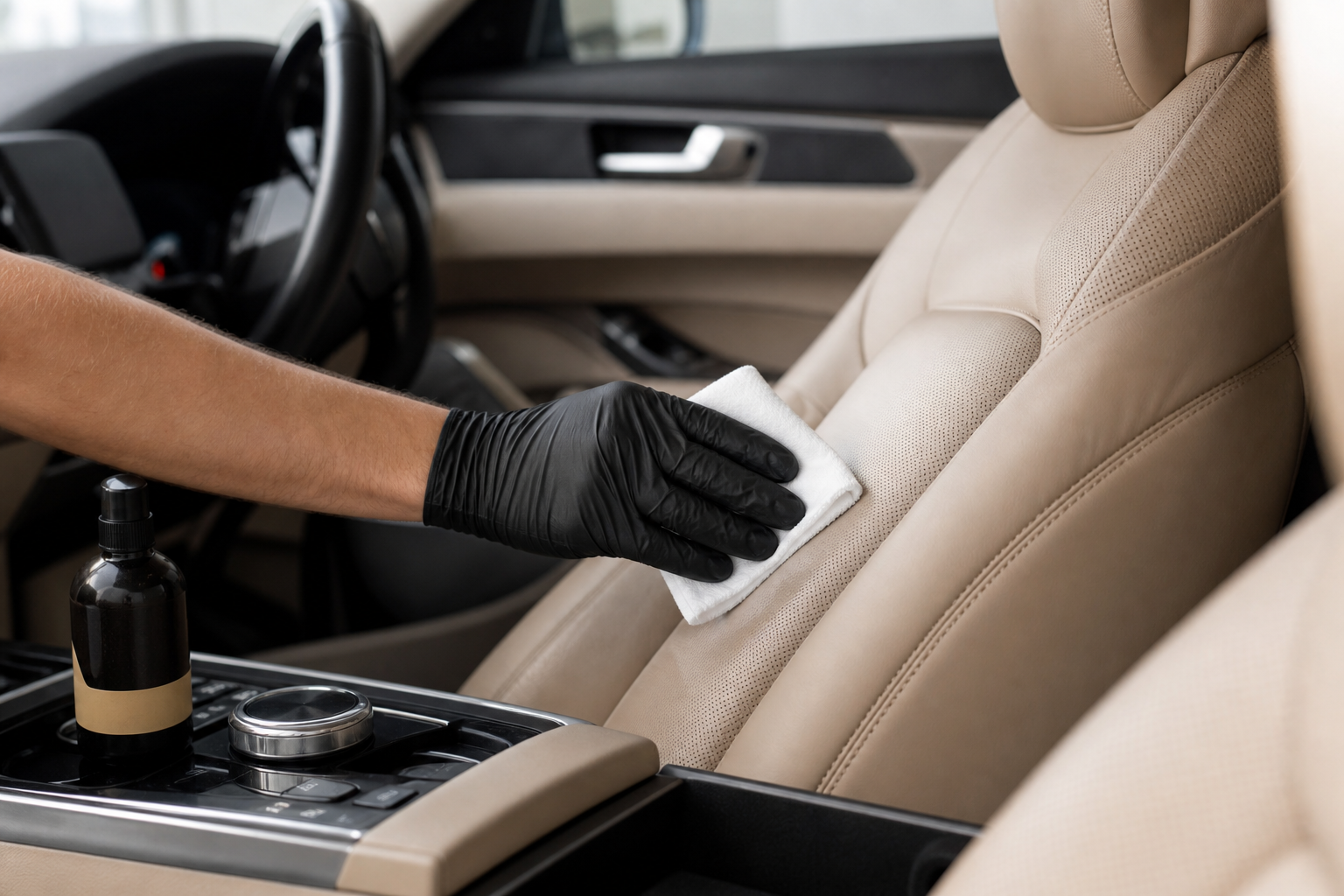
Seasonal maintenance preserves decoration appearance and material integrity. Leather elements benefit from periodic conditioning using pH-neutral products that prevent drying and cracking. Metal components resist tarnish through occasional applications of protective wax or specialized metal sealants. Remove decorations during professional detailing to prevent chemical exposure from cleaning agents.
Addressing Common Installation Challenges
Mirror stems with unusual geometries or electronic integration require adaptive mounting solutions. Adjustable clasps accommodate variable stem diameters without slipping during mirror repositioning. For mirrors lacking traditional stems, adhesive hooks applied to the windshield housing provide alternative attachment points—ensure placement complies with visibility regulations.
Weight distribution affects mirror stability, particularly in vehicles with delicate mounting systems. Distribute mass evenly across the mirror width rather than concentrating weight on one side. If vibrations or sagging occur, reduce decoration quantity or select lighter alternatives that maintain aesthetic impact without mechanical compromise.
Creating Cohesive Interior Design Themes
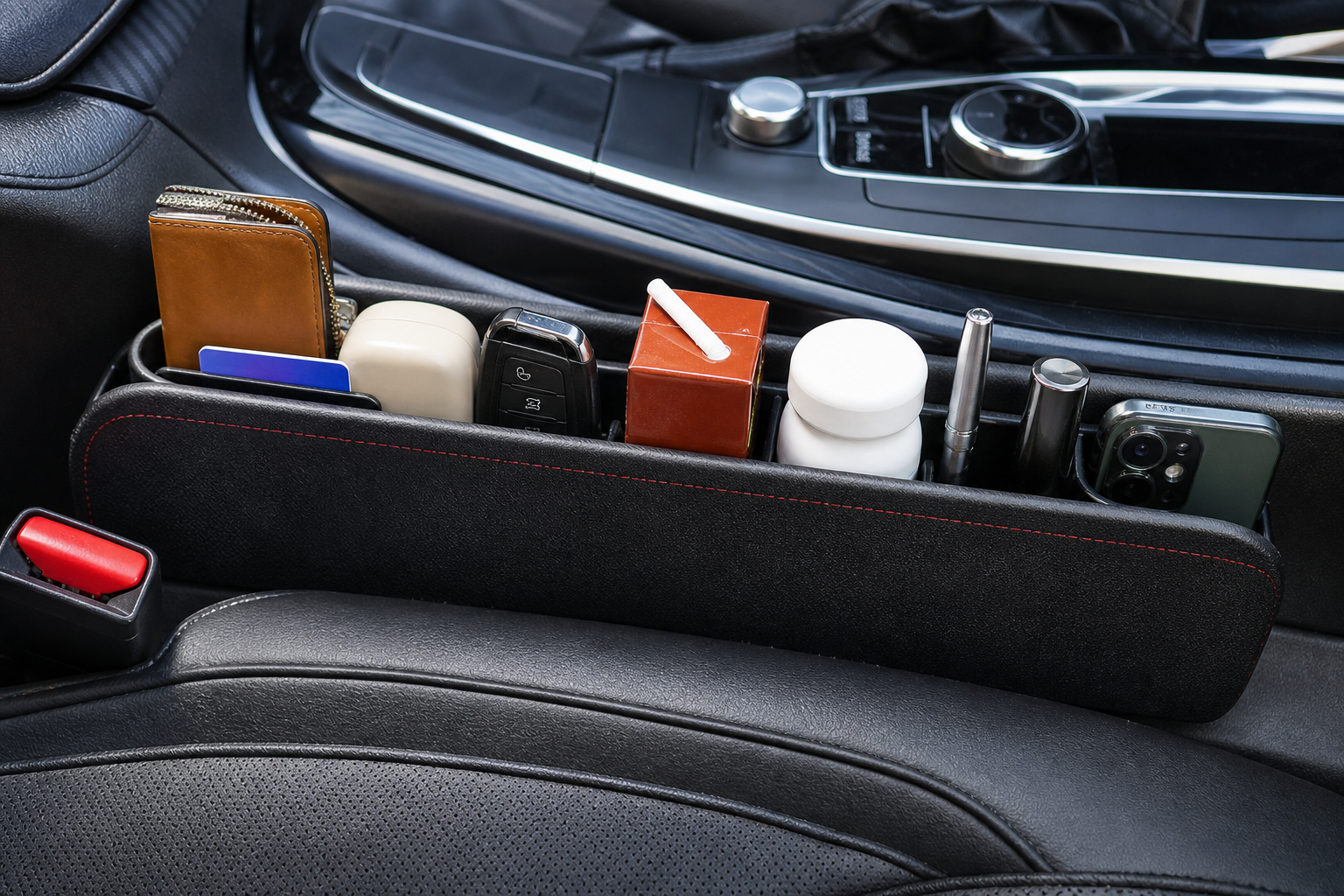
Holistic vehicle personalization extends beyond isolated decorative elements to encompass comprehensive interior themes. Your rearview mirror decoration should harmonize with broader customization efforts including steering wheel covers, seat cushions, organizers, and other accessories. This integrated approach demonstrates design intentionality rather than haphazard accumulation.
Minimalist themes emphasize quality over quantity, featuring single statement pieces crafted from exceptional materials. A solitary leather tassel with precision stitching conveys more sophistication than multiple competing elements. This reductive philosophy aligns with contemporary design movements prioritizing essentialism and purposeful object selection.
Luxury Material Layering Techniques
For those pursuing maximal comfort and opulence, layered accessories create sensory richness. Combine a premium Nappa leather steering wheel cover with a coordinating leather mirror charm and matching leather-trimmed organizers. This material repetition establishes thematic continuity while showcasing your commitment to superior craftsmanship throughout your vehicle.
Ergonomic enhancements should inform decoration choices. Drivers experiencing neck discomfort during long journeys might prioritize supportive accessories like memory foam neck pillows, then select mirror decorations in complementary colors that create visual harmony with these functional items. Form follows function in this philosophy, where comfort innovations guide aesthetic decisions.
Navigating Safety and Legal Considerations
Regulatory compliance protects both legal standing and operational safety. Vehicle codes typically prohibit obstructions exceeding specific dimensions or occupying designated viewing zones. Research jurisdictional requirements before finalizing decoration selections to avoid citations during traffic enforcement encounters.
Insurance implications warrant consideration, particularly for high-value vehicles or comprehensive coverage policies. While minor decorations rarely affect premiums, elaborate installations might require disclosure. Consult policy documentation or contact your insurance provider regarding decoration-related stipulations to maintain coverage validity.
Optimizing Visibility in Varied Conditions
Test decoration visibility impact during different lighting scenarios—dawn glare, noon overhead sun, dusk shadows, and nighttime illumination. Elements that appear innocuous during daylight might create distracting reflections or shadows in low-light conditions. Adjustable decorations enable repositioning to mitigate seasonal sun angle variations affecting visibility.
- Verify complete rearward visibility with decorations installed
- Ensure no interference with auto-dimming functionality
- Confirm decorations remain secure during emergency maneuvers
- Test that hanging elements don't obscure peripheral vision
- Validate compatibility with heads-up display projections if equipped
Sourcing Quality Decoration Components
Vendor selection significantly impacts decoration quality and longevity. Specialty automotive boutiques often curate collections emphasizing craftsmanship and premium materials. These establishments provide knowledgeable staff capable of offering personalized recommendations based on your vehicle specifications and aesthetic preferences.
Artisan marketplaces connect directly with craftspeople creating handmade decorations using traditional techniques. These unique pieces showcase individual artistry unavailable through mass production channels. Custom commissioning enables complete personalization—specify dimensions, materials, colors, and symbolic elements to create truly bespoke mirror adornments.
Evaluating Material Authenticity and Craftsmanship
Distinguish genuine premium materials from convincing imitations through tactile examination and provenance verification. Authentic Nappa leather exhibits characteristic softness, subtle grain patterns, and natural imperfections absent in synthetic alternatives. Reputable vendors provide material certifications and origin documentation supporting quality claims.
Examine construction details revealing craftsmanship quality. Hand-stitching displays slight irregularities demonstrating human artisanship, while machine stitching presents uniform precision. Neither approach is inherently superior—your preference depends on whether you value traditional techniques or industrial consistency. Thread quality matters significantly; premium polyester or waxed linen threads resist UV degradation better than economy alternatives.
Personalizing for Different Driver Demographics
Professionals navigating corporate environments benefit from restrained elegance that projects competence. Monochromatic leather accents, subtle metallic emblems, or minimalist geometric shapes maintain dignified appearances appropriate for client-facing roles. These selections demonstrate attention to detail without appearing frivolous or distracting.
Long-distance commuters prioritize functional decorations that enhance journey comfort. Aromatic elements providing sustained, pleasant fragrance combat vehicle odors accumulated during extended cabin occupation. Meaningful symbols offering contemplative focus during traffic congestion transform frustrating delays into moments of personal reflection.
Catering to Automotive Enthusiasts
Car enthusiasts often seek decorations celebrating automotive heritage or performance culture. Vintage rally plaques, manufacturer anniversary emblems, or racing-inspired color schemes express passion for automotive artistry. These individuals appreciate historically accurate reproductions and limited-edition pieces that fellow enthusiasts recognize and appreciate.
Performance vehicle owners might select decorations reflecting their car's sporting character—carbon fiber accents, alcantara elements, or aeronautical-inspired designs that echo cockpit environments. These choices reinforce the visceral connection between driver and machine, transforming routine transportation into engaging experiences.
Frequently Contemplated Questions About Mirror Decoration
Many drivers wonder whether mirror decorations affect resale value. Conservative, easily removable additions typically don't impact valuations, while permanent modifications or adhesive residue may deter particular buyers. Maintain original components and ensure decorations leave no lasting marks to preserve maximum resale flexibility.
The longevity question arises frequently—quality decorations crafted from premium materials easily endure years of daily use when properly maintained. Leather develops distinguished patinas, metals acquire vintage character, and well-constructed textiles resist fading. Budget alternatives deteriorate rapidly, necessitating frequent replacement that ultimately costs more than initial premium investment.
Addressing Seasonal Adaptation Queries
Drivers in extreme climates question whether decorations withstand temperature fluctuations. Premium materials specifically selected for automotive applications resist thermal stress—Nappa leather contains natural oils preventing cold-weather brittleness, while quality metals resist expansion-contraction cycles. Verify material specifications indicating operational temperature ranges before purchase.
Some individuals inquire about decoration coordination with temporary accessories like sun visors or seasonal seat covers. Maintain consistent color families or material types across accessories to preserve cohesion. Neutral base decorations adapt easily to seasonal accent changes, while bold permanent pieces require careful consideration of compatibility with rotating elements.
Embracing Personal Expression Through Thoughtful Decoration
Your vehicle represents personal sanctuary amidst hectic schedules and demanding obligations. Thoughtful rearview mirror personalization transforms this utilitarian space into an extension of your identity, values, and aesthetic sensibilities. Whether you gravitate toward minimalist refinement or richly layered luxury, decoration choices should authentically reflect your character rather than conform to external expectations.
The journey toward optimal personalization involves experimentation, refinement, and occasional revision. Initial selections might evolve as your tastes mature or circumstances change. This adaptive process mirrors personal growth, withyour decorated mirror serving as a visual chronicle of evolving preferences and experiences.
Invest in decoration pieces that resonate emotionally rather than pursuing fleeting trends. Objects imbued with personal significance—gifts from loved ones, souvenirs from meaningful journeys, or handcrafted items from admired artisans—provide sustained satisfaction absent from impulsive purchases. These treasured elements transform your mirror into a curated gallery of memories and aspirations.
Advanced Customization Techniques for Distinguished Results
Beyond conventional hanging ornaments, advanced personalization techniques offer refined alternatives for discerning drivers. Decorative wraps crafted from premium leather or suede can envelope the mirror housing itself, creating seamless integration with surrounding interior materials. These installations require precise measurement and professional application for optimal results.
Laser-etched metal plates affixed to mirror backs provide personalized inscriptions invisible during operation but revealed upon close inspection. Monograms, inspirational quotations, or commemorative dates etched into brushed stainless steel or anodized aluminum demonstrate attention to hidden details appreciated by those who notice craftsmanship subtleties.
Integrating Smart Technology with Aesthetic Elements
Contemporary vehicles increasingly feature integrated technology within rearview mirrors—displays, cameras, and connectivity modules. Decorations must accommodate these systems without interference. Slim-profile attachments positioned strategically around technological components preserve functionality while adding personalized touches to otherwise utilitarian devices.
Wireless charging mounts disguised as decorative elements represent functional innovation meeting aesthetic appeal. These devices maintain smartphone power during transit while presenting visually cohesive appearances that complement surrounding decorations. Select finishes and materials harmonizing with your established design vocabulary for seamless integration.
Seasonal Maintenance Rituals for Decoration Longevity
Establishing routine maintenance schedules preserves decoration appearance and extends serviceable lifespan. Quarterly inspections identify emerging issues—fraying cords, loosening attachments, or material degradation—before they necessitate complete replacement. Proactive maintenance proves more economical than reactive replacement cycles.
Deep cleaning protocols vary by material composition. Leather requires gentle cleansing with pH-balanced solutions followed by conditioning treatments that replenish natural oils. Metal elements benefit from polishing with microfiber cloths and specialized compounds that remove oxidation without abrading surfaces. Fabric components tolerate careful spot-cleaning with automotive upholstery cleaners.
Protecting Decorations During Extreme Weather
Summer heat intensifies ultraviolet exposure, accelerating material degradation through photo-oxidation. Window tinting reduces UV transmission, protecting both decorations and interior surfaces from solar damage. Alternatively, removable decorations can be stored during peak summer months, then reinstalled when temperatures moderate.
Winter presents different challenges—condensation, road salt aerosols, and temperature extremes stress materials differently than summer conditions. Moisture-resistant treatments applied to porous materials prevent mildew and odor development. Metal components benefit from corrosion-inhibiting coatings that withstand salt exposure during winter commutes through treated roadways.
Gifting Mirror Decorations: Thoughtful Presentation Ideas
Premium mirror decorations constitute excellent gifts for automotive enthusiasts, new vehicle owners, or individuals appreciating functional artistry. Presentation matters significantly—quality packaging elevates perceived value while protecting delicate items during transport. Branded boxes, velvet pouches, or custom cases demonstrate thoughtfulness beyond the gift itself.
Personalized decorations create memorable gifts celebrating milestones—graduations, promotions, or vehicle acquisitions. Commissioning custom pieces incorporating recipient initials, meaningful dates, or symbolic imagery transforms generic accessories into cherished keepsakes. Include care instructions and material information to help recipients maintain their gifts properly.
Curating Gift Sets for Enhanced Impact
Coordinated accessory collections provide comprehensive personalization solutions as singular gifts. Pair a leather mirror charm with a matching steering wheel cover and complementary seat cushion, creating cohesive interior transformation packages. This bundled approach demonstrates exceptional thoughtfulness while ensuring design consistency across multiple touchpoints.
Include descriptive cards explaining material provenance, craftsmanship techniques, and maintenance recommendations. Educating recipients about their gifts' quality attributes fosters appreciation beyond surface aesthetics. For premium items like Nappa leather accessories, detail the material's characteristics and aging potential to contextualize the investment.
Environmental Considerations in Decoration Selection
Sustainability-conscious drivers prioritize environmentally responsible decoration options. Natural materials sourced from renewable resources—vegetable-tanned leather, reclaimed wood, organic textiles—align with ecological values while often delivering superior quality compared to petroleum-derived alternatives. Certifications from environmental organizations validate sustainability claims.
Longevity represents the most impactful sustainability factor—durable decorations purchased once replace numerous disposable alternatives over equivalent timeframes. Calculate lifecycle environmental costs including production, transportation, use phase, and disposal when evaluating options. Premium materials designed for extended service reduce aggregate environmental impact despite higher initial resource investment.
Supporting Ethical Manufacturing Practices
Transparent supply chains ensure decoration production respects labor standards and environmental regulations. Artisan cooperatives and certified manufacturers provide traceability from raw materials through finished products. Supporting these enterprises aligns purchase decisions with broader ethical commitments while often accessing superior craftsmanship unavailable through mass production.
Local artisans offer dual benefits—reduced transportation emissions and direct economic support for regional craftspeople. Commission custom pieces from nearby leatherworkers, metalworkers, or textile artists to minimize carbon footprints while fostering community connections. These relationships often yield unique collaborations reflecting shared creative visions.
Documenting Your Personalization Journey
Photograph your decorated mirror alongside broader interior customization efforts to track aesthetic evolution over time. These visual records document personal style development while providing inspiration for future modifications. Social media communities dedicated to automotive personalization offer platforms for sharing creations and discovering novel decoration concepts.
Maintain documentation regarding decoration provenance, purchase dates, and maintenance histories. This information proves valuable when sourcing complementary pieces years later or recommending vendors to fellow enthusiasts. Detailed records also support insurance claims should theft or accidents damage customized interiors.
Your personalized rearview mirror represents more than decorative indulgence—it embodies your commitment to transforming mundane necessity into opportunities for self-expression and sensory enhancement. Through deliberate material selection, thoughtful installation, and conscientious maintenance, these small touches accumulate into comprehensive interior environments that elevate every journey from routine obligation to purposeful experience.