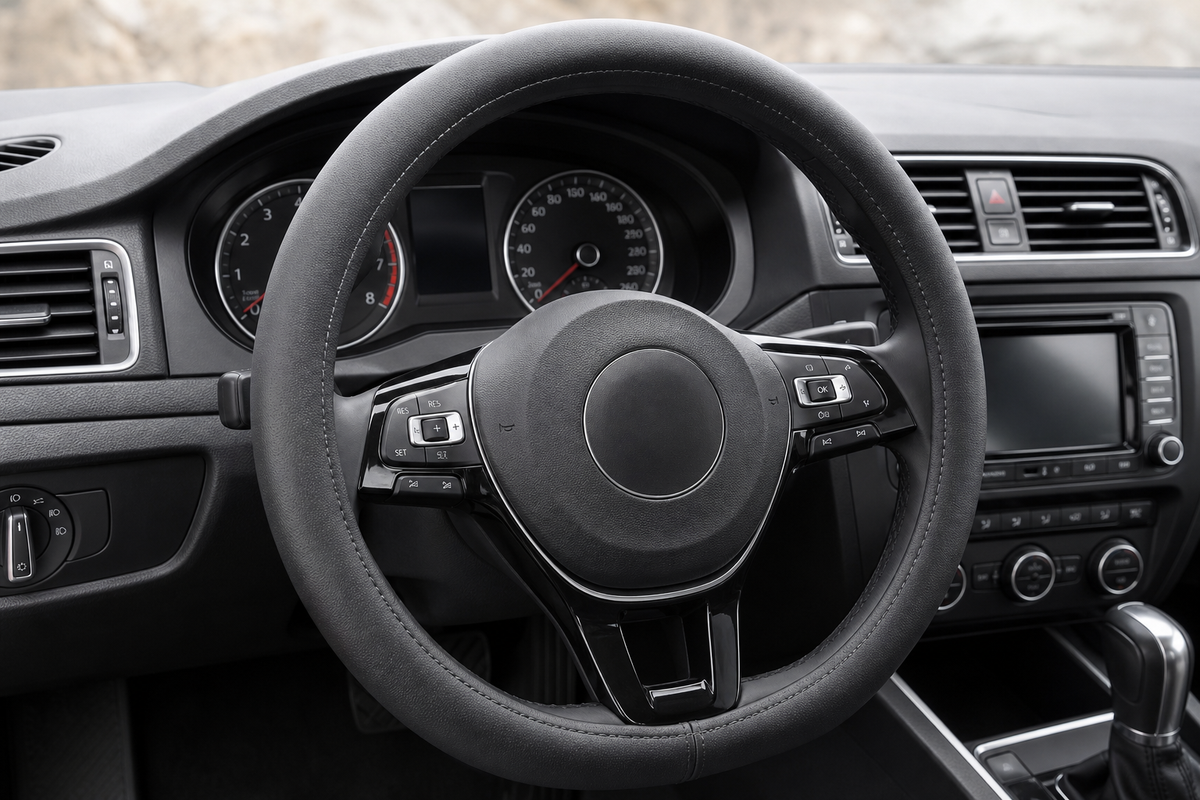
Memory Foam vs Standard Cushions: Which Elevates Your Drive?
Introduction to Memory Foam vs Standard Cushions: Which Elevates Your Drive?
For drivers who spend hours behind the wheel—whether commuting through city traffic, navigating long road trips, or simply running daily errands—the quality of your seat cushion directly impacts comfort, posture, and overall driving experience. Standard foam cushions have long been the automotive industry default, but memory foam technology has emerged as a superior alternative that addresses the specific ergonomic challenges drivers face.
The distinction between these two cushioning materials extends far beyond initial comfort. While standard polyurethane foam provides basic padding, it compresses quickly under body weight, losing shape and support over time. This degradation forces your spine into misalignment, creates pressure points, and can lead to chronic discomfort during extended drives. Memory foam seat cushion benefits for drivers include adaptive support that contours to your unique body shape, distributing weight evenly and maintaining proper spinal alignment throughout your journey.
This comparison becomes especially critical for professionals and commuters who consider their vehicle a second office. The right cushion doesn't merely add softness—it actively works to reduce fatigue, minimize lower back strain, and enhance circulation during prolonged sitting. Understanding the fundamental differences between memory foam and standard cushioning materials empowers you to make an informed decision that elevates both your immediate comfort and long-term wellness.
Throughout this guide, we'll examine the science behind each cushioning type, analyze their performance across real-world driving conditions, and reveal why premium memory foam solutions paired with luxury materials like Nappa leather represent the ultimate investment for discerning drivers who refuse to compromise on comfort or quality.
Understanding the Key Elements
When comparing memory foam and standard cushions for your vehicle, three fundamental factors determine which option truly enhances your driving experience: material composition, ergonomic design, and long-term durability.
Standard seat cushions typically consist of polyester fiber fill, basic foam, or gel inserts. While these materials offer initial softness, they compress quickly under body weight and fail to maintain their shape over time. The result? Uneven pressure distribution that can lead to discomfort, poor posture, and fatigue during extended drives.
Memory foam operates on an entirely different principle. This viscoelastic material responds to your body temperature and weight, contouring precisely to your unique shape. The cellular structure of memory foam redistributes pressure evenly across the sitting surface, eliminating hotspots that cause numbness and pain. For drivers spending hours behind the wheel, this translates to significantly reduced lower back strain and improved spinal alignment.
The key benefits of memory foam seat cushions include:
- Superior pressure relief that adapts to individual body contours
- Enhanced lumbar support maintaining natural spine curvature
- Temperature-sensitive responsiveness for personalized comfort
- Shape retention that prevents sagging and flattening over months of use
- Reduced vibration transfer from road surfaces
Premium materials elevate these advantages further. When memory foam pairs with luxurious Nappa leather covering, you gain breathability, easy maintenance, and aesthetic appeal alongside ergonomic benefits. This combination addresses both comfort and style requirements that discerning drivers demand.
Understanding these distinctions empowers you to make informed decisions about upgrading your vehicle's seating. The material science behind memory foam explains why countless professionals and long-distance commuters report transformative improvements in driving comfort and reduced end-of-day fatigue.
Step-by-Step Guide & In-Depth Analysis
Choosing the right seat cushion requires evaluating your specific driving needs and understanding how each material performs under real-world conditions. This systematic approach helps you make an informed decision that enhances your daily commute or long-distance journeys.
Assessing Your Driving Conditions
Begin by examining your typical drive duration and frequency. Commuters spending over 45 minutes daily behind the wheel experience different pressure points than occasional drivers. Memory foam seat cushions provide progressive support that becomes increasingly valuable as drive time extends, conforming to your body's unique contours and redistributing weight away from high-pressure zones like the tailbone and thighs.
Testing Material Response
Standard cushions offer immediate, uniform softness but compress permanently over time. Press your hand into a standard foam cushion and observe how quickly it rebounds—typically within seconds. Memory foam responds differently, slowly returning to shape while maintaining a temporary impression of your body's form. This viscoelastic property creates dynamic support that adjusts throughout your drive.
Evaluating Temperature Sensitivity
Memory foam's temperature-responsive nature means it softens with body heat, enhancing conformability. Premium options from manufacturers like Delicate Leather incorporate gel infusions or ventilated designs that regulate heat buildup during summer months, addressing the primary concern many drivers have about traditional memory foam.
Measuring Long-Term Value
| Factor | Memory Foam | Standard Cushion |
|---|---|---|
| Lifespan | 3-5 years | 6-18 months |
| Support Retention | Excellent | Decreases rapidly |
| Pressure Relief | Superior | Minimal |
Calculate cost-per-use rather than initial price alone. Memory foam's durability and sustained ergonomic benefits deliver measurably better value for drivers prioritizing spinal health and comfort during extended driving sessions.
Expert Tips & Common Mistakes to Avoid
Maximizing the memory foam seat cushion benefits for drivers requires strategic placement and realistic expectations. Position your cushion so it supports your sit bones rather than your thighs, ensuring proper weight distribution and preventing pressure points that develop during extended commutes. Allow 24 to 48 hours for your memory foam to fully expand after unpacking, as compressed foam needs time to reach its optimal supportive density.
One critical mistake drivers make is choosing cushions based solely on thickness. A 3-inch cushion isn't automatically superior to a 2-inch model—what matters is density and responsiveness to your body weight. Premium Nappa leather covers enhance durability while providing breathability that synthetic materials cannot match, preventing the heat buildup that compromises comfort on summer drives.
Avoid these common pitfalls when transitioning to memory foam:
- Expecting instant adaptation—your body needs 5 to 7 days to adjust to improved ergonomic positioning
- Placing cushions on already-damaged seats without addressing underlying structural issues
- Neglecting to secure the cushion properly, which causes shifting and reduces effectiveness
- Ignoring care instructions—memory foam requires specific cleaning methods to maintain its supportive properties
- Choosing generic cushions without considering your vehicle's seat contours and your driving position
Professional drivers consistently report that pairing a quality memory foam seat cushion with proper lumbar support delivers exponentially better results than either solution alone. For optimal performance, replace your cushion every 18 to 24 months as cellular structure gradually degrades with continuous use. Standard cushions fail much faster, typically losing their shape within 6 months, making the investment in memory foam technology a cost-effective long-term solution for serious drivers who prioritize spinal health and driving comfort.
Conclusion & Final Thoughts
Choosing between memory foam and standard cushions ultimately comes down to understanding what your body needs during every drive. The evidence consistently demonstrates that memory foam seat cushion benefits for drivers extend far beyond basic comfort—they deliver measurable improvements in posture alignment, pressure distribution, and long-term spinal health that standard cushions simply cannot match.
While standard cushions may offer a lower upfront cost, the investment in premium memory foam technology pays dividends through reduced fatigue, fewer pressure points, and enhanced circulation during extended periods behind the wheel. For professionals logging thousands of miles annually, commuters facing daily traffic, and driving enthusiasts who refuse to compromise on quality, memory foam represents a strategic upgrade to the entire driving experience.
The key differentiators remain clear: memory foam adapts to your unique body contours, maintains consistent support across temperature variations, and provides durability that outlasts conventional padding by years. When paired with luxury materials like premium Nappa leather, these cushions transform your vehicle's interior into a space that prioritizes both ergonomic functionality and refined aesthetics.
As you evaluate your options, remember that comfort is not a luxury—it's a fundamental component of safe, focused driving. The right cushion doesn't just elevate your ride; it protects your health, enhances your concentration, and makes every journey more enjoyable. Consider your specific needs, driving patterns, and budget constraints, but recognize that quality seat cushions represent an investment in your daily well-being rather than a simple accessory purchase.
Your body deserves support that works as hard as you do, mile after mile.