How to Choose a Car Seat Cushion for Long Drives: Cooling vs. Memory Foam
The best car seat cushion for long drives should distribute pressure, allow airflow, and stay securely in place. Choose a breathable cooling cushion if heat and moisture are your main concerns, or medium-firm memory foam with a breathable cover for lasting support; avoid overly soft foam that can sink and encourage slouching.
Why seat comfort, airflow, and a secure fit matter on long drives
The best car seat cushion for long drives does three things at once: it spreads pressure evenly, keeps air moving between you and the seat, and stays firmly in place. If one of these fails, fatigue sets in sooner, and that affects both comfort and alertness behind the wheel.
Comfort: pressure builds up faster than you expect
Sitting still for hours concentrates weight on the tailbone, sit bones, and the backs of the thighs. Factory seats are designed for an average driver, so many people feel numbness, lower-back tightness, or hip soreness after an hour or two. A well-shaped cushion redistributes that load and can improve posture by tilting the pelvis into a more neutral position.
Common signs your seat is not supporting you well include:
- Aching in the lower back or tailbone after 60 to 90 minutes
- Tingling or numbness in the legs
- Frequent shifting to find a comfortable position
- Stiffness when you step out of the car
Airflow: heat and moisture reduce comfort
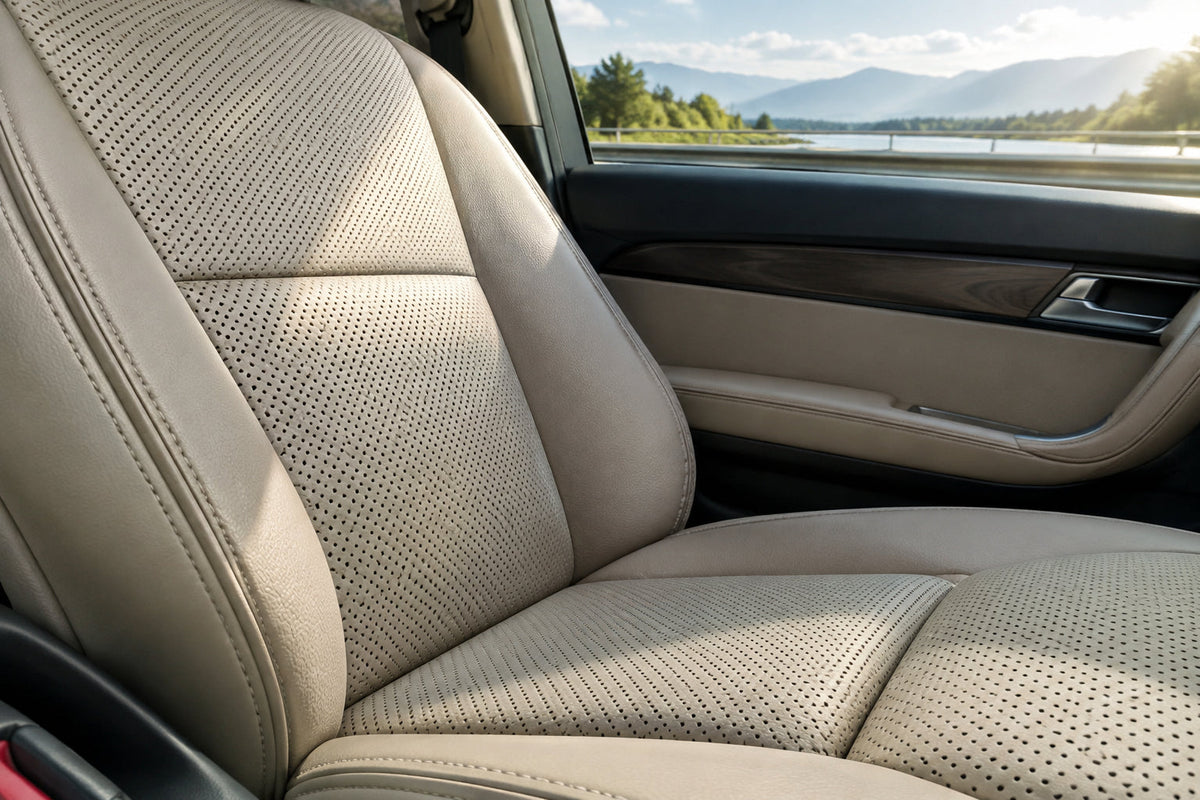
Even a comfortable seat becomes unpleasant when heat and moisture get trapped against your body. Dense foam retains warmth, and leather or vinyl seats in summer can leave you sweaty within minutes. Poor airflow also makes it harder to stay focused, because discomfort pulls attention away from the road. Materials and constructions that allow air to circulate, such as open-cell structures, mesh layers, or breathable covers, help keep the contact surface drier and more stable in temperature.
Secure fit: a sliding cushion works against you
A cushion that shifts, bunches, or creeps forward forces you to readjust constantly and can leave pressure points unsupported. Stability depends on the right size for your seat, a non-slip base, and a shape that matches the seat contour. Securing straps or a grippy underside help the cushion stay put through braking, turns, and getting in and out of the car.
Key takeaway: judge a cushion by how well it supports you at hour three, not minute three. Support, ventilation, and stability all need to work together.
With these three factors in mind, the next step is understanding how breathable cooling cushions and memory foam differ in practice.
Breathable cooling cushions vs. memory foam: compare feel, airflow, support, and upkeep
The best car seat cushion for long drives depends on your main problem: choose a breathable cooling cushion if heat and sweat bother you most, and choose memory foam if pressure and fatigue are the bigger issue. Once you know whether airflow or contouring matters more, the decision gets much simpler.
Side-by-side comparison
| Factor | Breathable Cooling | Memory Foam |
|---|---|---|
| Feel | Springy, light, resilient | Soft, contouring, slow rebound |
| Airflow | High | Low to moderate |
| Support | Even, responsive | Pressure-relieving, molded |
| Upkeep | Easy wipe or air-out | Spot clean, avoid soaking |
How each type feels and performs
Cooling cushions use ventilated structures, such as latex or open-cell designs, that let air move beneath you. This reduces trapped heat during hours behind the wheel. The feel is buoyant rather than sinking, so you stay lifted and stable.
Memory foam responds to body heat and pressure, gradually molding to your shape. That spreads weight across a wider area and can ease tailbone and hip discomfort. The tradeoff is that dense foam holds warmth, which you may notice in summer or on trips beyond two hours.
Upkeep and durability
- Cooling cushions: air them out regularly and wipe the surface with a damp cloth to keep the material fresh.
- Memory foam: spot clean only, keep it dry, and let it recover its shape after long use.
- Both types: keep them away from prolonged direct sun when the car is parked to protect the material.
If you drive in warm climates or tend to run hot, a ventilated option is often the more comfortable daily choice. The Breathable Latex Car Seat Cushion with a universal non-slip cooling seat cover pairs an airy, resilient feel with a stable base, which helps keep you comfortable and in position on extended trips.
Quick rule: pick airflow if you finish drives feeling hot, and pick contouring if you finish them feeling sore.
How to check cushion size, seat coverage, and non-slip stability before buying
Even the best car seat cushion for long drives will disappoint if it doesn't match your seat. A good fit means the cushion sits flat within the seat bolsters, supports your thighs without pressing behind your knees, and stays put when you get in and out. Check these three points before you commit, whichever material you chose in the previous comparison.
Measure your seat and the cushion
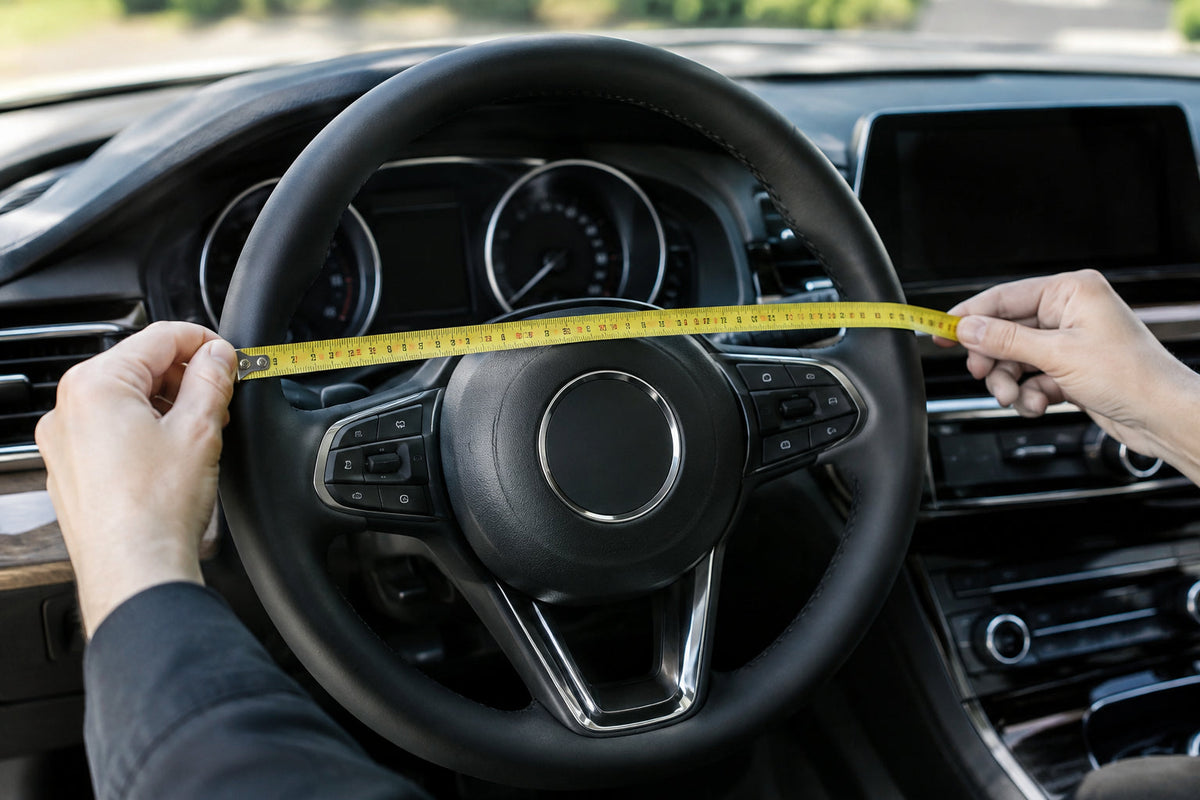
Start with your seat's usable flat area, not its overall size. Measure the width between the side bolsters and the depth from the backrest crease to the front edge.
- Choose a cushion width equal to or slightly narrower than the flat area, so it doesn't ride up the bolsters.
- Look for a depth that covers most of your thighs while leaving about two finger-widths of clearance behind the knees.
- Check the thickness. Around 2 to 3 inches suits most drivers, but a thick cushion can raise your seating position and reduce headroom or change your view over the dashboard.
Confirm seat coverage and shape
Coverage should support your tailbone, hips, and upper thighs evenly. A cushion that is too short leaves your thighs unsupported, while one that is too long can press into the back of your knees and affect pedal comfort.
Contoured designs, such as those with a tailbone cutout or a sloped front edge, tend to distribute pressure better than flat pads. Sport or bucket seats with deep bolsters usually need a narrower, contoured shape. Wide bench-style seats can handle a fuller rectangular cushion.
Test non-slip stability
A cushion that shifts while you drive forces constant readjustment and can become a distraction. Prioritize a textured or rubberized non-slip base, and consider adjustable straps that anchor around the seat or headrest post.
Before a long trip, sit on the cushion, brake gently, and turn the wheel from side to side. If it creeps forward or rotates, it isn't stable enough.
Smooth leather and leatherette seats are slippery, so a grippy base matters even more there. Also confirm that the cushion doesn't block seat belt buckles or interfere with seat-mounted airbags or sensors, and check your vehicle manual if you are unsure.
Choosing a cushion for daily commutes, warm-weather driving, and holiday road trips
The best car seat cushion for long drives depends on how you drive: memory foam suits routine commutes and cold climates, breathable cooling designs suit heat, and a firm, well-fitted hybrid usually works best for multi-day trips. Once the cushion fits your seat securely, match its material to your most common driving pattern.
Daily commutes: consistent support wins
For 30 to 90 minutes behind the wheel each day, choose a cushion that holds its shape and relieves pressure at the tailbone and thighs. High-density memory foam does this well because it contours to your body and rebounds slowly, which reduces pressure points over repeated trips.
- Look for a contoured top surface and a firm base that resists flattening.
- Choose a removable, washable cover, since daily use adds up to more wear and spills.
- Check that the cushion does not raise your seating position enough to affect visibility or headroom.
Warm-weather driving: prioritize airflow
In hot climates, trapped heat is the main source of discomfort. Cooling cushions with mesh covers, ventilated channels, or gel-infused layers allow air to move between you and the seat, reducing sweat and heat buildup. Dense foam wrapped in a breathable fabric can also work, but solid leather or vinyl covers hold more heat in direct sun.
If you still prefer memory foam, pick one with a perforated or spacer-mesh cover and avoid parking in direct sunlight when possible.
Holiday road trips: balance comfort over hours
On trips of four hours or more, you need support that does not fade and enough airflow to stay comfortable as temperatures change. A medium-firm memory foam cushion with a breathable cover is a practical middle ground. Firmer foam holds posture better late in the day, while overly soft foam can sink and cause slouching.
Pack for the longest leg of your trip, not the shortest. A cushion that feels good for 20 minutes may feel very different after three hours.
Try a new cushion on a few shorter drives before a big trip so you can adjust your seat position, lumbar support, and mirrors with it in place.
Questions Drivers Ask Before Choosing a Car Seat Cushion
The best car seat cushion for long drives matches your priorities: memory foam for pressure relief and contouring support, or a breathable cooling design for airflow in warm conditions. If you drive over two hours at a time, choose a cushion with medium-to-firm density, full seat coverage, and a non-slip base. These features reduce fatigue and keep your posture consistent from start to finish.
Memory foam can retain body heat because it softens and molds to your shape, which reduces airflow. In hot climates, look for a ventilated or perforated cover, or pair the cushion with a breathable fabric. If heat is your main concern and you rarely need deep contouring, a cooling cushion with an open-mesh structure is usually the more comfortable option.
Most drivers do well with a cushion between 2 and 3 inches thick. Anything thicker can raise your seating position, reduce headroom, and alter your view of the road or your reach to the pedals. Test your driving position after installing the cushion, and make sure your knees, hips, and sightlines still feel natural.
It can if the base lacks grip. Choose a cushion with a textured, anti-slip bottom, and consider adjustable straps if your seat is smooth or steeply bolstered. After installation, press down and shift your weight. The cushion should stay put without bunching or rotating.
Remove the cover when it is washable and follow the care label. Spot-clean foam with a damp cloth and mild soap, then air-dry it away from direct sunlight. Avoid soaking the foam, which can weaken its structure. If the cushion no longer rebounds after you stand up, it has likely lost its support and should be replaced.