Why Does My Car Seat Cushion Feel Hot? How to Choose a Breathable Cushion for Long Drives
A car seat cushion feels hot when body heat and moisture become trapped between you and a dense or nonporous surface, especially during long drives with limited airflow. A breathable car seat cushion helps release heat; mesh offers the most airflow, while perforated leather balances ventilation and comfort. For both support and breathability, choose a medium-profile cushion with a perforated cover.
Why Car Seat Cushions Can Feel Hot During Long Drives
A car seat cushion feels hot mainly because it traps body heat and moisture between you and the seat. Dense materials, non-porous surfaces, and constant contact over hours reduce airflow, so heat has nowhere to go. A breathable car seat cushion is designed to release that heat instead of holding it against your body.
Trapped Body Heat and Limited Airflow
Your body gives off heat continuously, and a seated posture covers a large area of your thighs and lower back. When a cushion fits tightly against both you and the seat, air can't circulate. Over a two- or three-hour drive, that trapped warmth builds up and feels more intense than it would on a bare seat.
Materials That Hold Heat
Not every cushion material behaves the same way in warm conditions. These are the most common contributors:
- Dense memory foam, which softens with body heat and can retain warmth around the contours of your body.
- Non-perforated synthetic coverings, which block moisture from escaping and leave a sticky feeling.
- Thick, tightly woven fabric covers that insulate rather than ventilate.
Memory foam isn't the problem on its own. Its heat response depends on the foam density, the cover, and whether the design includes ventilation.
Sun Exposure and Cabin Temperature
A car parked in direct sunlight can reach cabin temperatures far above the outside air. Dark seats and cushions absorb that heat and release it slowly, so sitting down can feel uncomfortably warm before you even start driving. Air conditioning cools the cabin air faster than it cools the cushion's inner layers.
Moisture, Posture, and Duration
Sweat is a major reason a cushion feels hot. If the cover can't wick or release moisture, humidity stays against your clothing and amplifies the sensation of heat. Time matters too: the longer you sit without shifting position, the more heat and moisture accumulate.
Key takeaway: Heat buildup comes from the combination of material, fit, sun exposure, and time. Addressing the material and airflow gives you the biggest improvement on long drives.
Understanding these causes makes it easier to compare cushion types, which the next section covers in detail.
Memory Foam, Perforated Leather, and Mesh: How Breathability and Support Differ
No single material wins on both airflow and support. Memory foam offers the most pressure relief but traps the most heat, mesh breathes best but cushions least, and perforated leather sits in between. Because heat builds up where your body meets the cushion, the material you choose matters as much as its shape.
Memory Foam: Maximum Support, Heat Retention
Memory foam softens with body warmth and contours to your hips and tailbone, which helps reduce pressure on long drives. The same dense, closed structure holds heat against your body. Gel-infused or open-cell foam improves airflow somewhat, but a foam core still runs warmer than an open-weave design.
Mesh: Best Airflow, Lighter Cushioning
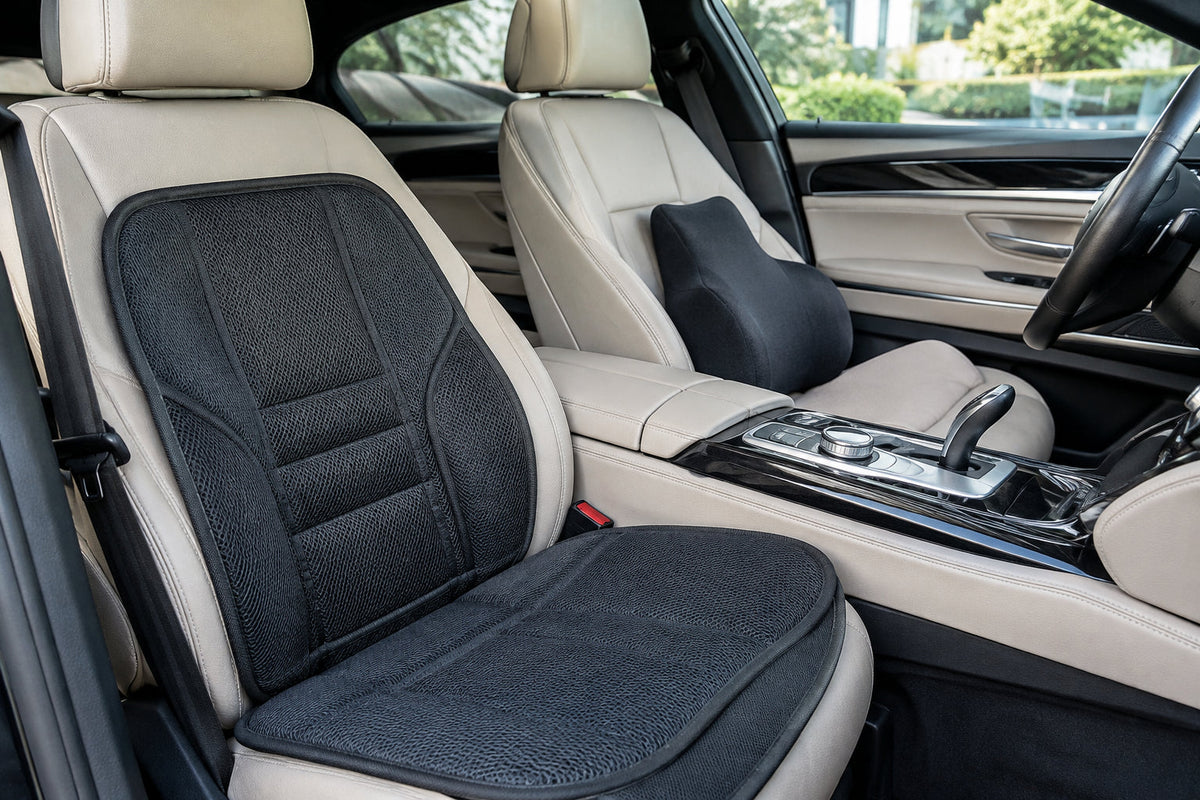
Mesh and spacer-fabric covers let air move through the surface, so moisture escapes quickly. They suit hot climates and drivers who sweat easily. The tradeoff is thinner padding, which may feel less supportive after several hours.
Perforated Leather: Balanced Comfort and Ventilation
Small perforations let heat and humidity escape through the surface, while the leather keeps a smooth, premium feel. Quality leather also resists the clammy, sticky sensation that cheap synthetic covers can cause. Over a long drive, it holds a steady temperature better than non-ventilated materials.
| Material | Breathability | Support |
|---|---|---|
| Memory foam | Low to moderate | High |
| Mesh | High | Low to moderate |
| Perforated leather | Moderate to high | Moderate (depends on core) |
The strongest option for most drivers combines a supportive core with a ventilated surface. The Perforated Nappa Leather Car Seat Cushion follows that approach. Its perforated Nappa surface lets air circulate for year-round use, and its universal design fits most vehicle seats. That makes it a practical breathable car seat cushion for commuters and road-trippers who want a refined look without the heat buildup.
Choose the surface for airflow and the core for support. A cushion needs both to stay comfortable over hours of driving.
How to Check Cushion Fit, Material Feel, and Odor Before You Buy
A breathable car seat cushion should sit flat on your seat, feel cool and smooth against your skin, and have no strong chemical smell. Once you know which material suits you, these three checks help you avoid a cushion that traps heat or shifts under you on the road.
Check the Fit on Your Seat
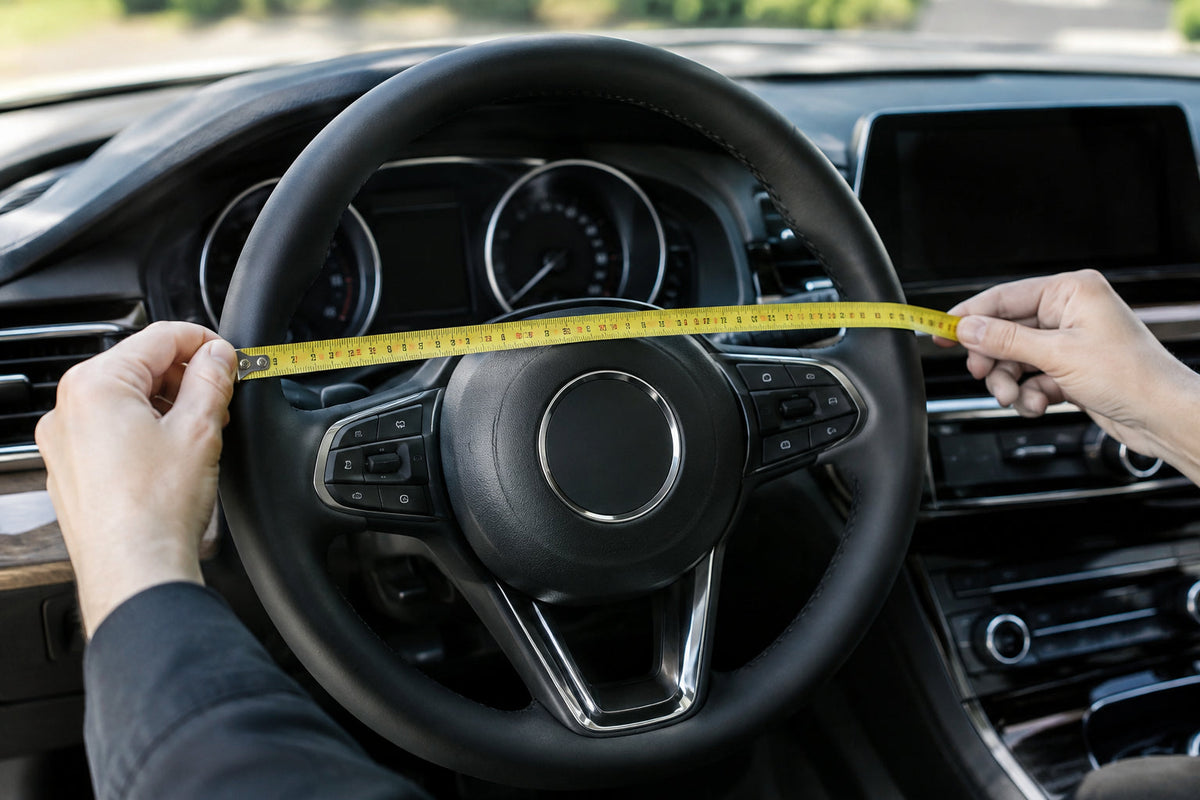
A cushion that slides or bunches creates pressure points and reduces airflow. Measure your seat's width and depth first, then compare the numbers with the cushion's listed dimensions.
- Leave about 1 to 2 inches of seat edge visible so the cushion doesn't squeeze against the bolsters.
- Choose a cushion that stops short of the front edge, so it doesn't press behind your knees.
- Look for a non-slip base or adjustable straps, especially on leather seats.
- Sit on it for a few minutes and confirm your seating height still gives you a clear view and comfortable pedal reach.
Test the Material Feel
Press your palm into the cushion for 10 seconds. Quality memory foam should compress gradually and rebound slowly without feeling dense or sticky. Check the cover as well: perforated leather should have evenly spaced holes and smooth edges, while mesh should feel firm, not scratchy or thin.
If you can, rest your hand on the surface for a minute. A cover that already feels warm in your hand will likely feel hotter after an hour of driving. Premium Nappa leather with fine perforations, like the pieces in Delicate Leather's seat cushion range, balances a soft touch with ventilation, though you should still confirm the construction suits your climate.
Smell the Cushion Before Committing
A sharp, lingering chemical odor often points to low-grade foam or adhesives, and it tends to get stronger when the cabin heats up. A faint new-product scent is normal and usually fades within a few days of airing out.
- Smell both the foam core and the cover, ideally with the cushion unwrapped.
- Be cautious if the odor makes your eyes or throat feel irritated.
- Check product descriptions and reviews for notes about smell and off-gassing.
- Confirm a return policy so you can test the cushion in your own car.
The best test is a 30-minute drive. If the cushion stays stable, feels comfortable, and doesn't smell strongly in a warm cabin, it's likely a good match for long trips.
Choosing a Cushion for Daily Commuting and Longer Holiday Road Trips
The best breathable car seat cushion depends on how long you sit at a stretch. Short, frequent commutes reward quick-cooling, low-profile designs, while multi-hour road trips call for stronger pressure relief and steady airflow. Once you've confirmed fit, feel, and odor, match the cushion to your actual driving pattern.
What to Prioritize for Daily Commuting
For commutes of 20 to 60 minutes, choose a slim to medium cushion with a perforated or mesh top layer. These trips are often stop-and-go, so heat builds in short bursts and the cushion has little time to recover between drives. Look for these traits:
- A slim to medium profile that won't change your sightline or pedal reach.
- Perforated leather or a mesh top layer that lets heat escape quickly.
- A non-slip base that stays put through repeated entries and exits.
- A surface that wipes clean, since daily use means more contact with sweat, coffee, and dust.
A thinner cushion also keeps your seating position consistent from car to car, which matters if you switch vehicles or share one with a partner.
What to Prioritize for Longer Road Trips
On trips of two hours or more, pressure relief matters as much as temperature. Dense, high-resilience memory foam spreads your weight across the thighs and tailbone, which reduces fatigue. Foam can trap warmth, however, so pair it with a ventilated cover or a contoured, airflow-friendly design.
- Choose medium-firm foam that rebounds instead of bottoming out.
- Look for a coccyx cutout or contoured shape to ease tailbone pressure.
- Pick a cover that breathes in warm weather and doesn't stiffen in the cold.
- Plan to shift position or take a short break about every 90 minutes.
Even the best cushion can't replace movement. Brief stops to stretch your legs improve circulation and let the seat surface release trapped heat.
Quick Comparison
| Driving Pattern | Best Priority | Ideal Profile |
|---|---|---|
| Daily commute | Fast heat release | Slim, perforated or mesh |
| Mixed use | Balanced comfort | Medium, ventilated foam |
| Holiday road trips | Pressure relief | Contoured, high-resilience foam |
Choosing One Cushion for Both
If you drive both ways, a medium-profile cushion with a perforated cover is the safest compromise. It stays comfortable through a short commute without feeling bulky, and it still offers enough support for a long highway day.
If you do both, choose a medium-profile cushion with a perforated cover. It handles a 30-minute commute and a five-hour highway day without feeling too thin or too warm.
Premium options like Delicate Leather's seat cushions, which pair memory foam with Nappa leather, suit drivers who want ergonomic support and a refined finish in one product. Browse the collection to compare profiles and find the one that fits your routine.
Questions About Breathable Car Seat Cushions? Get the Details
Heat builds up because your body warms the cushion while the surface traps that heat and moisture against your skin. Dense, non-vented materials hold warmth longest, and sun exposure on a parked car makes it worse. A breathable car seat cushion lets air and moisture escape, so the surface stays closer to your body's natural temperature.
Not always, but dense memory foam can retain heat when it is fully enclosed in a non-breathing cover. The fix is usually in the construction rather than the foam itself. Look for an open-cell or ventilated foam core paired with a perforated leather or mesh cover, which gives you pressure relief without trapping as much heat.
Mesh typically moves the most air, which suits hot climates and very long trips. Perforated leather is slightly less airy but looks more refined, wipes clean easily, and holds up well to daily wear. If you want a premium finish with reasonable airflow, perforated Nappa leather over supportive memory foam is a strong choice.
Check the cover for visible perforations or an open weave, press the foam to see whether it springs back evenly, and read the product description for the specific materials used. A strong chemical smell can signal poor-quality foam or adhesives, so choose cushions that smell neutral. Reviews from drivers who commute in summer are also a useful indicator.
Park in shade or use a windshield sun visor, and open the doors briefly before you get in so trapped heat can escape. Wear breathable clothing, and take short breaks on long drives so your back and thighs can cool. If the cushion still feels warm after these steps, switching to a more breathable design is the most reliable solution.